Cartons of apple, orange, and cranberry juice are a breakfast staple in most kitchens, quietly sitting in the fridge or dry store until the morning rush. They’re pulled out for the first service, then forgotten. But what if these humble liquids could become some of your most versatile and cost-effective pantry allies, transforming savoury dishes from every corner of the globe?
The CORE Juice range consisting of Apple, Orange and Cranberry isn’t just for drinking. It’s a trio of ingredients designed for ambient storage and consistent performance, ready to help you innovate your menu from prep to plate. These are ready-to-use ingredients, not concentrates you need to reconstitute. Their one-litre, slimline format means they tuck away neatly, and their extended shelf life ensures they’re ready when inspiration strikes.
Let’s explore how each can add new dimensions to your kitchen.
Cranberry: The Robust Reducer
Often confined to the bar, CORE Cranberry Juice possesses a sharp, sophisticated profile that makes it a formidable kitchen ingredient. Its sweet-tart punch and deep colour are ideal for creating complex, restaurant-quality finishes with impressive plate appeal.
Think of it as a more affordable, equally vibrant alternative to pomegranate molasses. A slow reduction yields a glossy, tangy syrup perfect for dressing roasted carrots, swirling into garlicky yoghurt, or serving as a condiment with pâté or terrine. This same reduction can become a contemporary sauce for duck breast or venison, perhaps infused with star anise.
In its unreduced form, straight from the carton, cranberry juice’s balance of sweetness and acidity makes it an excellent base for salad dressings, cutting through the richness of goat’s cheese with toasted nuts or adding a fruity, sharp note to grain salads like tabbouleh.
For a modern touch, consider using cranberry juice with sodium alginate to create delicate, bursting cranberry pearls as a garnish for game, oily fish or pork dishes. With many diners cautious about wine in food, even when the alcohol has been cooked off, or simply to reduce outgoings as alcohol prices rise, use cranberry juice instead of red wine to braise a shoulder of lamb. It imparts a subtle fruitiness that tenderises and flavours the meat, creating a nod to rustic, slow-cooked traditions with a bright, clean finish.
Try marinating or basting chicken in a cranberry soju sauce made with Korean soju, soy sauce, cranberry juice, ginger, and garlic. It creates a savoury, slightly sweet and aromatic glaze that will give your diners something they’ve probably never had before.
Orange: The Bright Workhorse
CORE Orange Juice brings a reliable citrus note to the kitchen. It’s a natural tenderiser and flavour carrier, capable of bridging classic French techniques with the vibrant tastes of North Africa and modern Asia.
Consider the Provençal beef stew, daube, where a splash of orange juice in the braising liquid introduces a subtle, fragrant sweetness that complements the savoury depth of the beef—a trick used in villages for generations. Orange juice forms the heart of a classic duck à l’orange sauce, of course, but also shines in a Moroccan chermoula or a dressing for a carrot and radish salad, perfect alongside oily fish like mackerel or grilled sardines.
The Korean Wave
Korean food is expanding rapidly across the UK and orange juice has long been a creative component of Korean cooking, where it balances heat and salt. Use it in a glaze for sticky pork or chicken skewers, incorporating gochujang for a sweet-spicy finish.
For something different, try an orange-based chimichurri to accompany a pork T-bone, adding a fruity lift to the parsley and garlic. Even a simple carrot and orange soup benefits from the juice’s pure, reliable flavour, providing consistency in every batch.
Apple: Sweetness with Savoury Depth
The crisp, clean sweetness of CORE Apple Juice works not as a dominant flavour, but as a background note that rounds out savoury dishes, adding depth and tenderising proteins without overwhelming them.
Apple juice has always been a natural partner for pork. Much as you might swap cranberry juice for red wine, apple juice is a great substitute for white wine. Use it to deglaze a pan for a glossy apple gravy to accompany porchetta, or to braise tender pork ribs. An apple and Spam risotto offers a tongue-in-cheek 70s twist on the comfort classic, whilst an apple cream sauce with a hint of thyme and mustard can transform simple pork meatballs.
Soda bread needs acidity to activate the raising agents in the baking powder, why not mix spelt with apple juice and crispy pieces of baked black pudding to serve alongside starters or soups? It’s an easy and inexpensive bread that’s sure to impress your customers. For a British classic with a twist, incorporate it into a Welsh rarebit for a hint of sweetness against the sharp cheese.
CORE Apple Juice’s utility extends further. A splash in a French onion soup adds a layer of underlying sweetness that balances the onions’ caramelisation. With the global beef shortage and the quest for alternative and cheaper proteins, apple juice can also form the cooking liquid for rabbit with prunes or a hearty sausage casserole.
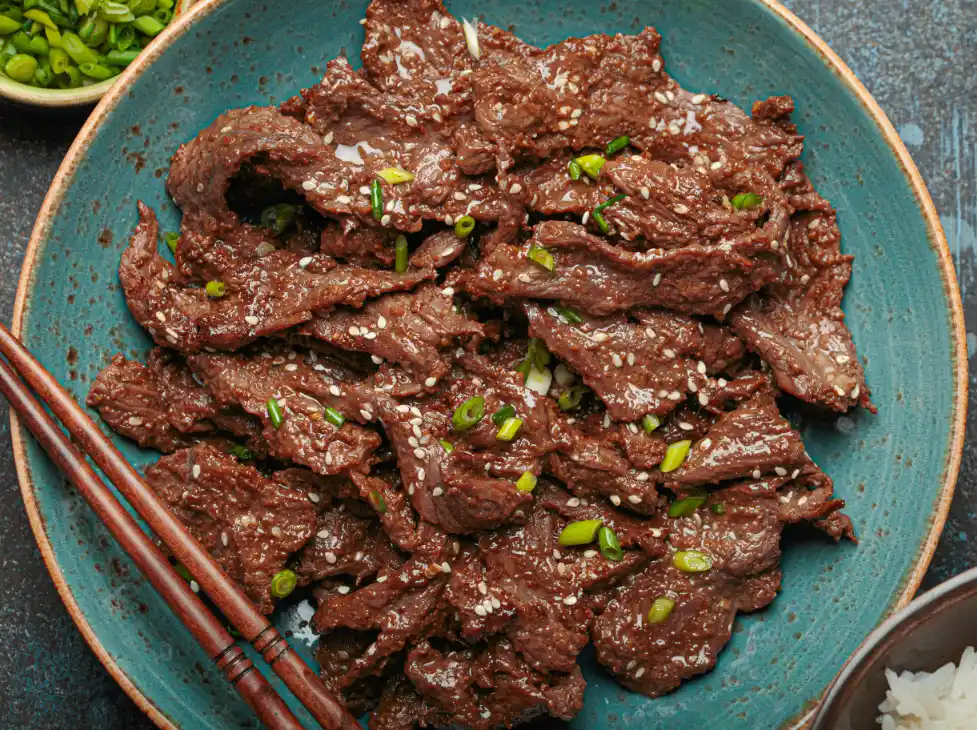
In line with Korean cooking practice, apple juice is excellent in bulgogi marinades, tenderising beef or pork whilst contributing a gentle, fruity sweetness that complements soy and sesame. Try an apple-based ssamjang dipping sauce, made by mixing doenjang (fermented soybean paste) with gochujang, apple juice, toasted sesame oil, onion and garlic. The apple juice gives a fresh twist on the classic umami-rich condiment.
Meeting the Trends
CORE juices align perfectly with current menu trends. The 1970s revival isn’t just about fashion, it’s about revisiting and refining classic dishes we all enjoy, such as duck à l’orange or a retro cranberry-glazed ham. The enduring love for Middle Eastern flavours is well served by using cranberry reductions in place of pomegranate molasses in dressings and drizzles.
Meanwhile, the explosion of interest in Korean cuisine invites experimentation. All three CORE juices find a place here: apple in bulgogi marinades, orange in gochujang glazes, and cranberry adding a tart twist to a soju sauce for roast chicken. These juices provide an accessible, consistent gateway to authentic, trending flavours.
A Foundation for Flavour
Relegating apple, orange, and cranberry juice to the breakfast station is a missed opportunity. The CORE range is designed for more. Each one-litre carton represents a versatile, cost-effective ingredient that simplifies stock control whilst expanding your creative potential.
These juices bring consistency and practicality to your kitchen, with a storage format that fits neatly into any workflow. Rather than thinking of them purely as beverages, consider them as ingredients in their own right. Keeping CORE Juices in your larder means you’ve always got a reliable ingredient ready to go, one that can add brightness, depth, and a fresh perspective to your dishes.